
Balancing the demands of policing with the realities of pregnancy, parenthood and caring responsibilities can be challenging. Recognising this, Cambridgeshire Police Federation is dedicated to supporting members at every stage of their parenting journey.
As part of that commitment, the Federation recently worked alongside Cambridgeshire Police to deliver its second parent and baby event at Headquarters.
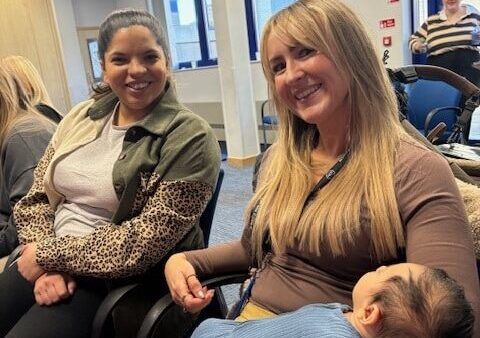
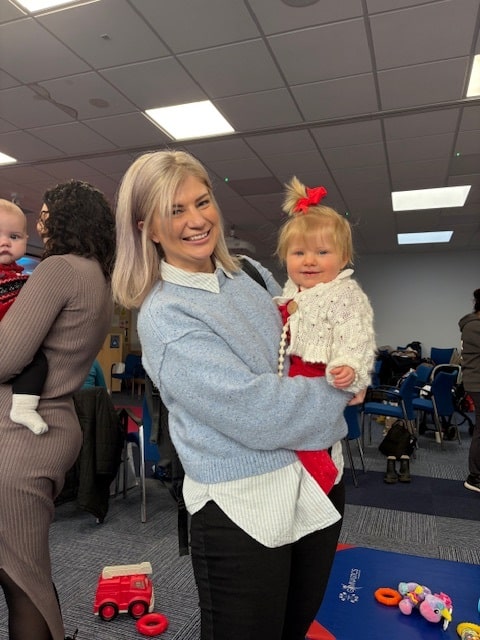
The relaxed, informal day brought together expectant parents, those currently on maternity leave, and colleagues preparing to return to work. Line managers were also encouraged to attend, giving them the opportunity to better understand the support available and how best to support their teams.
Federation representative Police Sergeant Gemma Saberton, who helped lead the event, said days like these play a vital role in supporting officers and staff.
“Events like these are hugely important, both for expectant parents and for those returning to work following maternity or paternity leave,” she said.
Gemma, who has a six-year-old child, co-leads the Parent and Carer Support Group alongside colleague Pete Andrews. Having been in the role for around four months, she said her drive to improve support is rooted in her own experience.
“Pregnancy and maternity leave can be a scary and isolating time,” she explained. “And a person’s experience can vary hugely depending on who their line manager is, and that’s something we’re trying to change.
“We want to help bridge the gap between the Force and parents. That means supporting people as they head off on maternity leave, but also helping them when they return to work – a time that can understandably feel overwhelming.”
The day itself was deliberately flexible. Attendees could drop in for some or all of the sessions, enjoy lunch provided, and hear from a range of departments, including HR, payroll, the Resource Management Unit and the Police Federation.
A baby massage class, funded by the Federation, added to the supportive and welcoming atmosphere, reinforcing that the day was designed to be relaxed rather than feel like work.
Branch Secretary Kevin Misk said the event was about making it clear that both the Force and the Federation care about their people.
“Events like this help reduce stress, lower the likelihood of people going off sick, and support colleagues in making that step back into work.
“This event was about showing those women that the organisation does care about them.”
With just under 40 per cent of the workforce now female, the need for visible, practical support continues to grow. Many attendees said the event reassured them that support was available not just in the workplace, but through one of the most significant life changes they would experience.
Flexible working and phased returns were key themes throughout the day. While the Force offers up to 28 days of phased return following maternity leave, this option is not always widely understood or discussed.
Gemma explained that nine out of ten women do not immediately return to frontline roles, often because night shifts and unpredictable hours are difficult to balance with new parenthood.
“We need to keep reinforcing the message that flexible working is an option,” she said. “That doesn’t mean forever – but it’s there if people need it.”
Supporting fathers and partners is also a crucial part of the work. Parenthood affects more than just mothers, and the event aimed to recognise the pressures faced by all parents and carers across the organisation.
One of the most valued initiatives highlighted was the Parent and Carer ‘Pal’ scheme. Through the scheme, expectant parents are matched with a trained colleague – often someone who has recently returned from maternity or paternity leave – who can act as a point of contact for up to two or three years. Pals offer advice, reassurance and signposting, sitting alongside, rather than replacing, line management.
“We have around 20 pals at the moment,” Gemma said. “Some specialise in areas such as breastfeeding or paternity. It’s about having someone you can talk to who understands.”
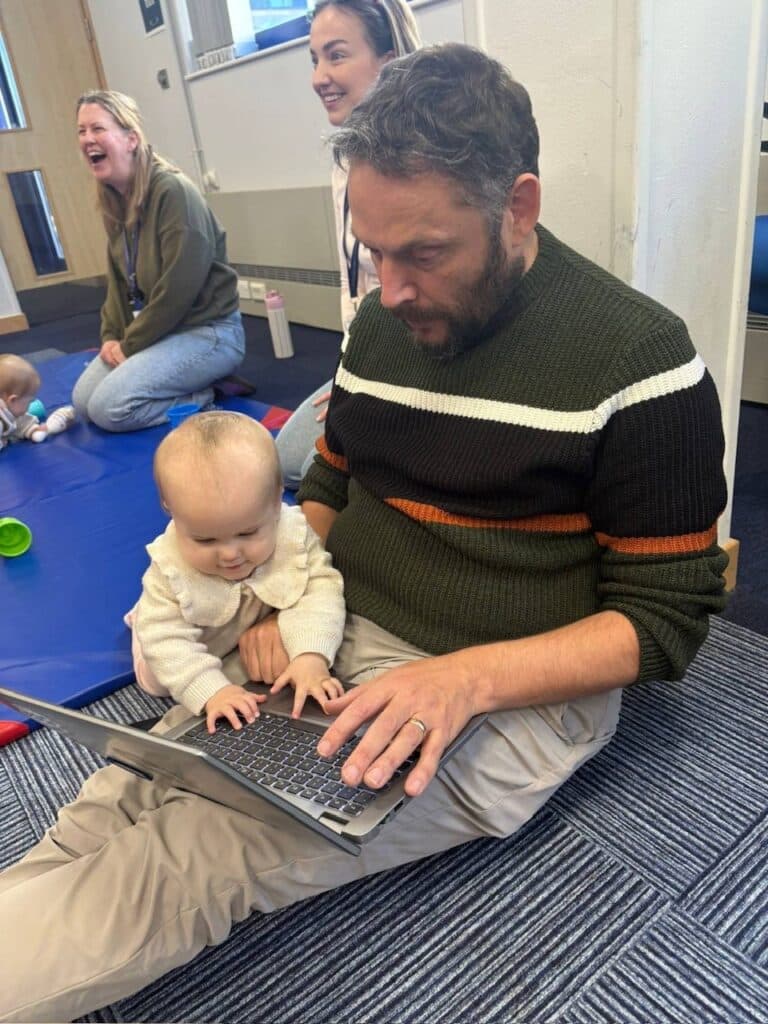
Feedback from the December event was overwhelmingly positive. Attendees described it as useful, reassuring and inclusive, with many saying it helped reduce feelings of isolation and made returning to work feel far less daunting. For some expectant parents, it was the first time they had seen the full range of support available.
For Gemma, improving education and awareness among line managers remains a priority.
“Sometimes it’s the simple things,” she said. “Just having a conversation. Asking someone if they’re OK. Sadly, it can still feel like a lottery in terms of how people are treated.”
Anyone who would like further information, support as a parent or carer, or who is interested in becoming a ‘pal’, is encouraged to contact the Parent and Carer Support Group via the Federation office.