
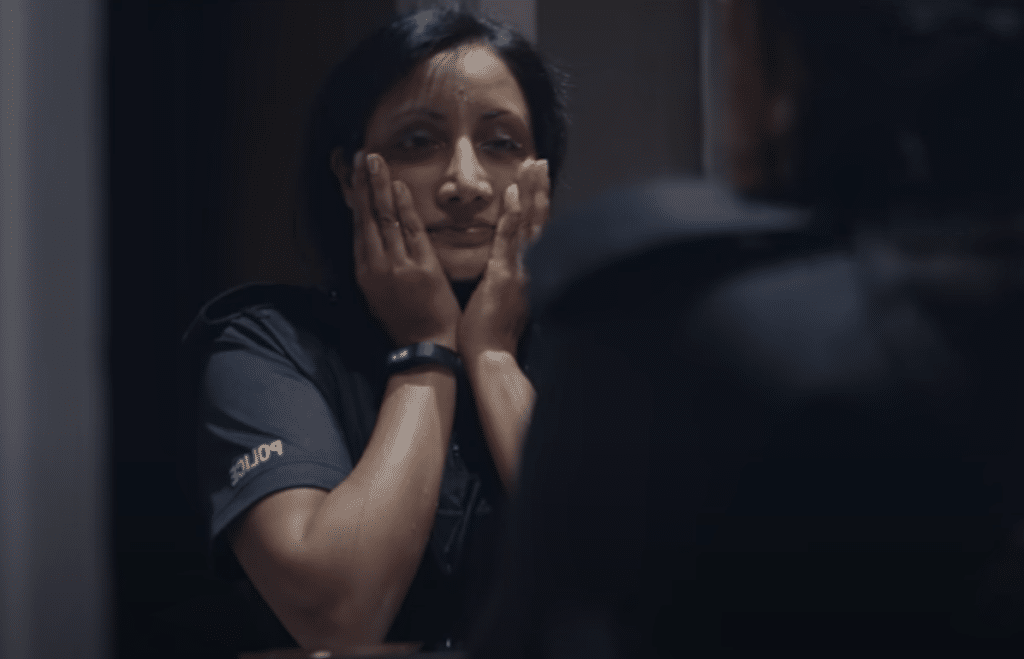
Have you been injured by a violent crime at work, while on-duty? You may be entitled to a financial award from the Criminal Injuries Compensation Authority (CICA).
Here is a complete FAQ guide to the CICA, covering which types of incidents typically qualify for compensation, the claims process as a whole, and what to do if you need help with your claim.
What is the CICA?
The CICA was established by the Government in November 2012 and is designed to compensate blameless victims of violence up to a certain threshold. Eligibility and outcomes – including award values, which range from £1,000 to £500,000 – are decided by the Secretary of State and approved by Parliament.
Can police officers apply for CICA?
While the scheme is often used by members of the public, police officers are also free to claim for compensation if they have sustained an injury in an on-duty incident.
What about eligibility for police officers?
Eligibility for police officers is unclear, which is why if often gets confusing:
- If you are directly assaulted without any anticipation of the assault happening, then your claim would typically be accepted.
- If you are injured in a skirmish or prolonged confrontation while making an arrest, you may not be eligible to claim, as the CICA could perceive your actions in dealing with a person resisting arrest to be part of your duties.
If you have accidentally injured yourself while pursuing or apprehending an offender, you may be eligible to claim, but it would need to be proven to the CICA that you were taking an exceptional risk that was justified in all the circumstances.
What types of injury and consequences of injury are covered by the CICA?
Claims are typically considered for the following circumstances:
- Physical injury.
- Mental injury – you may be eligible to make a claim for a mental injury if you witnessed and were present at an incident in which a loved one sustained a criminal injury as the result of a crime of violence. You may also be eligible if you were involved in the immediate aftermath of an incident in which a loved one sustained a criminal injury.
- Physical or sexual abuse.
- Loss of earnings – where you have no or limited capacity to work as the direct result of a criminal injury.
- Special expenses payments – these cover certain costs you may have incurred as a direct result of an incident. You can only ask the CICA to consider special expenses if your injuries mean you have been unable to work or have been incapacitated to a similar extent for more than 28 weeks.
- A fatality caused by a crime of violence, including bereavement payments, payments for loss of parental services and financial dependency, and funeral payments.
When should you make a claim to the Criminal Injuries Compensation Authority (CICA)?
While some exceptions may apply, you will typically be eligible to make a claim if:
- You were injured as a result of a violent crime in England, Scotland, or Wales. You do not need to have been charged or convicted for you to be eligible.
- You submit your claim within two years of the incident that caused your injury. Claims made after this period may still be considered if exceptional circumstances prevented you from applying sooner.
- Your injury is serious enough to qualify for at least the minimum compensation award of £1,000.
What would typically make a claim ineligible for compensation from the CICA?
Typically, any one of these circumstances will make a claim ineligible:
- You did not report or log the incident. If the crime for which you are seeking an award has not been reported to or logged within your force, an award cannot be issued.
- You were injured before 1 August 1964.
- You have already applied for an award for the same criminal injury under the current CICA scheme or any previous equivalent scheme operating in England, Scotland and Wales.
- The injury happened before 1 October 1979 and you and the person who injured you were living together at the time as members of the same family in the same household.
- The injury and the act of violence took place outside England, Scotland or Wales.
How do I make a claim?
Contact your Police Federation for a CICA application form. You can either complete the form yourself or the Federation can help you and submit the claim on your behalf.
What is my claim assessed on?
- The information you provided in your claim.
- The information from your force, including what is contained in your incident log.
- Medical evidence, if it is required.
What happens if my claim is rejected?
Your Police Federation can get in touch with a legal partner, who will advise on whether asking the CICA to review its decision would be worthwhile. If you grant permission via the Federation, the legal partner can assume management of the situation and submit this review request on your behalf.
What if the CICA refuses to change its mind?
The legal partner can then advise you on whether a formal appeal to a tribunal would be worthwhile. If an appeal is made and accepted by the tribunal, you will eventually need to attend a hearing. At this point, the legal partner will arrange for legal counsel to represent you at that hearing.
What if the CICA accepts my claim as eligible but will not issue me any compensation?
This could happen for a number of reasons. The CICA operates a tariff system for its award values, which lists all the different injuries it compensates for and the fixed award for those injuries. The award values are non-negotiable, and some injuries, such as a broken finger, may not meet the minimum award value set out in the tariff. Even if you suffered multiple injuries, but they are all considered minor, this may not meet the tariff’s minimum.
Sometimes the CICA gets it wrong and awards an amount in the wrong tariff, and it may then be necessary to provide specific medical evidence to prove the injuries sustained. If this happens, a legal partner can advise you once more.
How long does a claim usually take?
You will usually receive a decision on your claim within 12 months, although this can take longer, especially for more serious injuries.
The CICA is like any other publicly funded organisation, with resources often stretched and creating backlogs. It is normal not to hear anything from the CICA for a long time, because it will only contact you if it needs more information for your claim. However, rest assured, the scheme is dealing with your claim, and you will receive a decision eventually.